Source Desktop Sticker Vinyl Cutting Machine for Labels, Decals, and Signage
Browse 30 listings for a desktop sticker vinyl cutting machine and compare cutting speed, feed width, repeat cutting angles, die cut and full cut functions, voltage, certification, and packing options. Filter by price range and MOQ to match sticker, label, and small-sign production needs before requesting quotes.
Key considerations
Products List


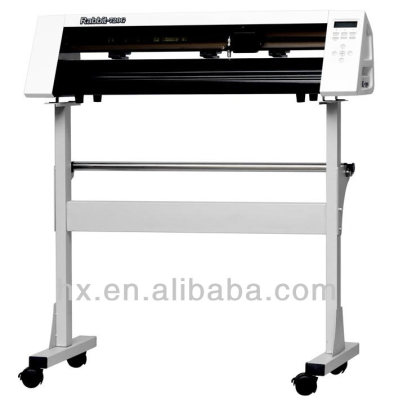


Sticker PVC Sticker Half Cut Machine PVC Vinyl PVC Printing and Cutting Machine
$11500.00 - $13000.00
Moq: 1


Comprehensive Sourcing Guide
Desktop Sticker Vinyl Cutting Machine Sourcing Guide
Selecting the right desktop sticker vinyl cutting machine requires a careful balance of technical precision, operational efficiency, and commercial viability. These devices are essential for businesses involved in sign making, label production, and custom graphic applications, where accuracy and speed directly impact profitability. Buyers must navigate a market filled with varying specifications, from basic plotter-style cutters to advanced eco-solvent printers with integrated cutting functions. Understanding the core mechanics, such as piezoelectric inkjet technology and automatic paper feeding, is crucial for ensuring the equipment meets specific production demands. This guide provides a structured approach to evaluating these machines, focusing on verified attributes and practical procurement strategies.
The procurement process involves more than just comparing prices; it requires a deep dive into the machine’s capabilities, compliance status, and supplier reliability. With a wide range of models available, from the Lq-52 to the MQ-38, each unit offers distinct features tailored to different workflows. Buyers should prioritize machines that offer customization options and robust interfaces, such as USB connectivity, to ensure seamless integration into existing production lines. By adhering to a disciplined sourcing methodology, businesses can mitigate risks associated with equipment failure, non-compliance, or poor after-sales support, ultimately securing a long-term asset that enhances operational output.
Product Scope and Observed Listing Signals
The current market for desktop sticker vinyl cutting machines presents a diverse array of options, primarily characterized by their operating modes and interface types. A significant portion of available units utilizes liquid piezoelectric technology, which is preferred for its precision and reliability in handling various media types. These machines often support multiple usage scenarios, including photo printing, POS terminal systems, barcode printing, and document processing. The presence of automatic supply paper modes and features like low noise operation indicates a focus on user-friendly, high-efficiency workflows suitable for busy commercial environments. Buyers should look for these specific attributes to ensure the machine aligns with their daily operational needs.
Observed listing signals reveal a broad spectrum of pricing and minimum order quantities (MOQs), reflecting the variability in machine capabilities and supplier structures. Prices range significantly, indicating differences in build quality, brand reputation, and technological sophistication. MOQs typically start low, allowing small businesses to procure single units for testing or initial deployment. It is important to note that while some listings highlight specific models like the Lq-52 or qgj series, others may refer to broader categories such as eco-solvent printers. Buyers must carefully cross-reference these listing details with actual product specifications to avoid mismatches between advertised features and delivered equipment.
Technical Specifications to Verify
When evaluating technical specifications, buyers must prioritize the cutting mechanism and material compatibility. Key attributes include the cutting speed, which can reach up to 1000mm/s, and the repeat cutting angles, such as 30, 45, and 60 degrees, which are essential for precise die-cutting tasks. The type of cutting tool, often a steel blade or Roland blade, directly affects the quality of the cut and the longevity of the machine. Additionally, the paper feed width is a critical dimension, with options ranging from 63cm to 1550cm, determining the maximum size of stickers or labels that can be processed. Verifying these specifications ensures the machine can handle the required volume and complexity of projects.
Power and connectivity requirements are equally important for seamless integration into a production environment. Most units operate on AC220V/110V at 50Hz/60Hz, providing flexibility for international use, but buyers must confirm the exact voltage requirements for their location. Interface types, such as USB, facilitate easy data transfer and control, while computerized features allow for automated operation and reduced manual intervention. Cache capacity, observed at 4GB in some models, plays a role in processing large files without lag. Buyers should verify these technical details against their specific infrastructure to prevent compatibility issues and ensure optimal performance.
Compliance and Safety Documentation
Compliance with international safety and environmental standards is non-negotiable for professional procurement. Buyers must verify that the machine holds relevant certifications, such as CE, which indicates conformity with health, safety, and environmental protection standards for products sold within the European Economic Area. Some listings also mention ISO 9001 and RoHS certifications, which attest to quality management systems and restrictions on hazardous substances, respectively. These certifications provide assurance that the manufacturer adheres to rigorous production standards, reducing the risk of defects and ensuring the machine is safe for operator use.
Waterproof ratings and other safety features also contribute to the overall reliability and durability of the equipment. An IPX-5 rating, for instance, indicates protection against water jets, which can be beneficial in environments where cleaning or accidental spills are common. Buyers should request official certification documents from suppliers to validate these claims, as self-declared compliance may not always reflect actual testing results. Ensuring that the machine meets these regulatory requirements not only protects the business from legal liabilities but also enhances its reputation for quality and safety in the marketplace.
Cost Drivers and Commercial Terms
Several factors influence the total cost of ownership for a desktop sticker vinyl cutting machine, including the brand, model, and included features. High-end models with advanced cutting functions, such as die-cut and full-cut capabilities, typically command higher prices. The inclusion of customization options and automatic grading features can also increase the cost, reflecting the added value of tailored solutions. Buyers should consider the long-term benefits of these features against the initial investment, evaluating whether the enhanced capabilities justify the higher price point for their specific business needs.
Commercial terms, such as packaging and shipping conditions, also play a significant role in the overall procurement cost. Machines are often packed in wooden boxes or standard export packaging to ensure safe transit, which can affect shipping costs and handling requirements. Buyers should clarify these terms with suppliers to avoid unexpected expenses related to logistics and insurance. Additionally, understanding the warranty and after-sales support policies is crucial, as these factors can significantly impact the long-term value of the purchase. Transparent commercial terms help buyers make informed decisions and budget accurately for their procurement projects.
Supplier Qualification and Quality Control
Supplier qualification is a critical step in ensuring the reliability and consistency of the purchased equipment. Buyers should verify the supplier’s place of origin, with many reputable manufacturers located in Guangdong, China, a hub for printing and cutting machinery production. Checking the supplier’s track record, including customer reviews and case studies, can provide insights into their reliability and customer service quality. It is also important to confirm the supplier’s ability to provide customized solutions, as this indicates flexibility and a commitment to meeting specific buyer requirements.
Quality control measures implemented by the supplier directly impact the performance and longevity of the machine. Buyers should inquire about the supplier’s quality assurance processes, including pre-shipment inspections and testing protocols. Machines should be delivered in new condition, with all components functioning correctly and meeting the specified standards. Requesting detailed product descriptions and technical datasheets can help buyers assess the quality of the equipment before making a purchase. Establishing a strong relationship with a qualified supplier ensures ongoing support and reduces the risk of receiving substandard products.
Long-Term Procurement Checks
Long-term procurement success depends on the machine’s ability to adapt to evolving business needs and technological advancements. Buyers should consider the scalability of the equipment, ensuring it can handle increased production volumes or new material types without significant upgrades. The availability of spare parts and consumables, such as cutting blades and ink, is essential for maintaining continuous operation. Suppliers that offer comprehensive support services, including training and maintenance, add significant value by minimizing downtime and extending the machine’s lifespan.
Regular performance monitoring and maintenance are also key to sustaining optimal operation. Buyers should establish a routine maintenance schedule to clean and inspect the machine, addressing any issues before they escalate into major problems. Keeping track of usage metrics and performance data can help identify trends and predict future maintenance needs. By proactively managing the machine’s lifecycle, businesses can maximize their return on investment and ensure consistent quality in their sticker and label production. This disciplined approach to long-term procurement safeguards against unexpected costs and operational disruptions.
FAQs
How does a desktop sticker vinyl cutting machine work?
It uses a steel blade guided by computerized controls to cut vinyl sheets into sticker shapes, supporting both die cut and full cut operations. The machine reads contour lines or vector paths, cuts at speeds up to 1000mm/s, and offers repeat cutting at 30, 45, or 60 degree angles using a Roland blade.
What materials can a desktop sticker vinyl cutting machine handle?
Beyond vinyl stickers, listed applications include fabric, leather, plastic, paper packaging materials, insulating and EMI shielding materials, and dust-proof or earthquake-proof products. Material thickness and cutting depth depend on blade type and machine model, so confirm compatibility for specialized materials before ordering.
Which blade types and cutting angles are supported?
These machines use a Roland blade and support repeat cutting at 30, 45, and 60 degree angles. The 60 degree blade suits thicker or denser materials, while 30 and 45 degree angles work well for standard sticker vinyl. Both die cut and full cut functions are available.
Can desktop sticker vinyl cutting machines be customized?
Yes, customization is available on the listed machines. Buyers can typically request adjustments to cutting width, software integration, or machine configuration to match production needs. Discuss your specific sticker size, material type, and volume requirements with suppliers to confirm which custom options they support.
What power and interface requirements should buyers expect?
These machines operate on AC220V/110V at 50Hz/60Hz, making them compatible with most standard electrical systems worldwide. Connectivity is via USB interface, allowing direct connection to a computer running the cutting software. Check your local voltage standard and request the correct configuration when ordering.
How are the machines packed for shipping?
Packaging varies by model: some units ship in wooden box packaging, others use wooden frame packaging, and some use standard export packaging. Listed dimensions range from compact 1050x330x390mm units to large 3540x2460x1375mm machines, and weights range from 19kg to 52kg, affecting freight costs.
What certifications do these cutting machines carry?
Listed machines carry CE certification, and some models also hold ISO 9001 and RoHS certifications. CE marking indicates conformity with European safety requirements. Always request current certificate copies from suppliers before finalizing an order, since certification can vary between individual models and production batches.
Which cutting widths are available for sticker production?
Available paper feed widths include 63cm, 1205cm, and 1550cm options, covering everything from small desktop sticker jobs to wider-format vinyl work. Choose the width based on your typical sticker sheet size and roll material width, and confirm that your chosen model supports the feeding mode you need.